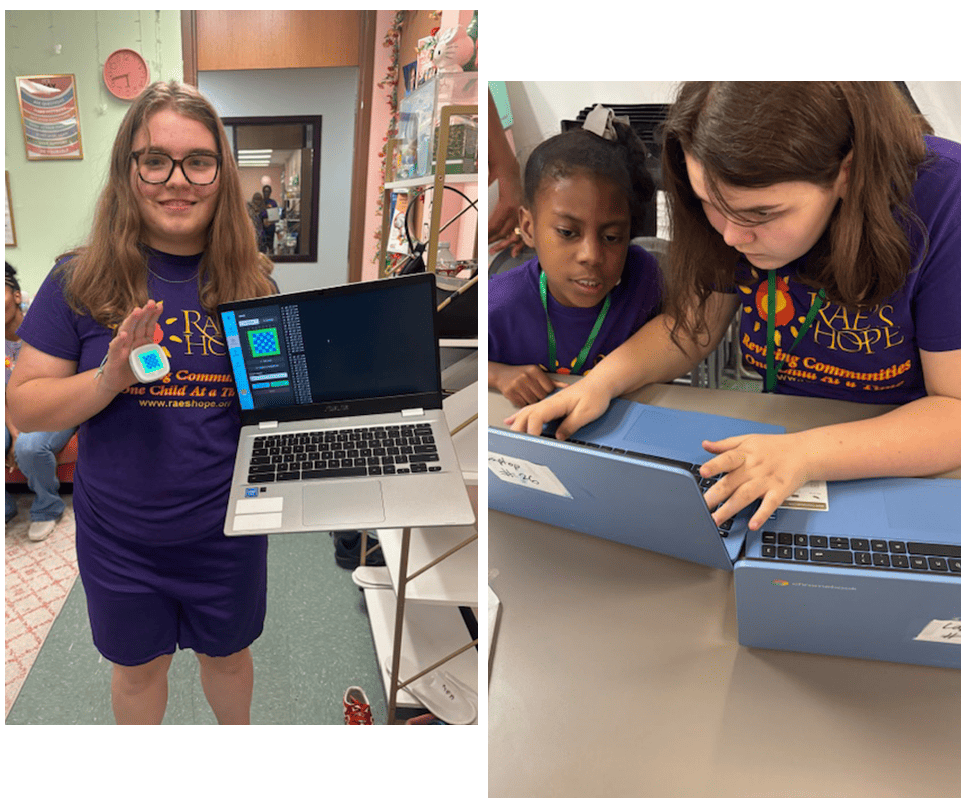
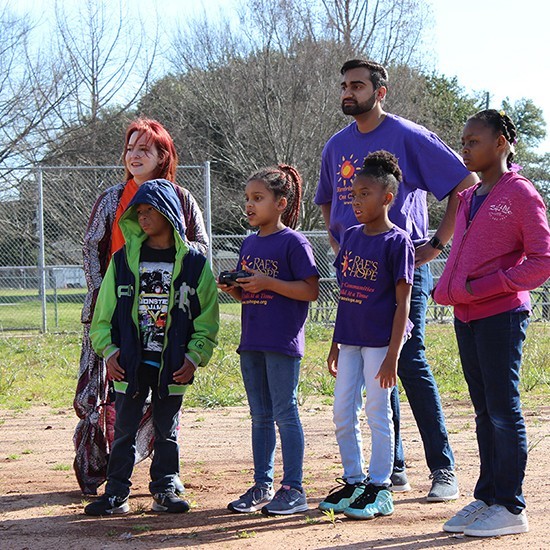
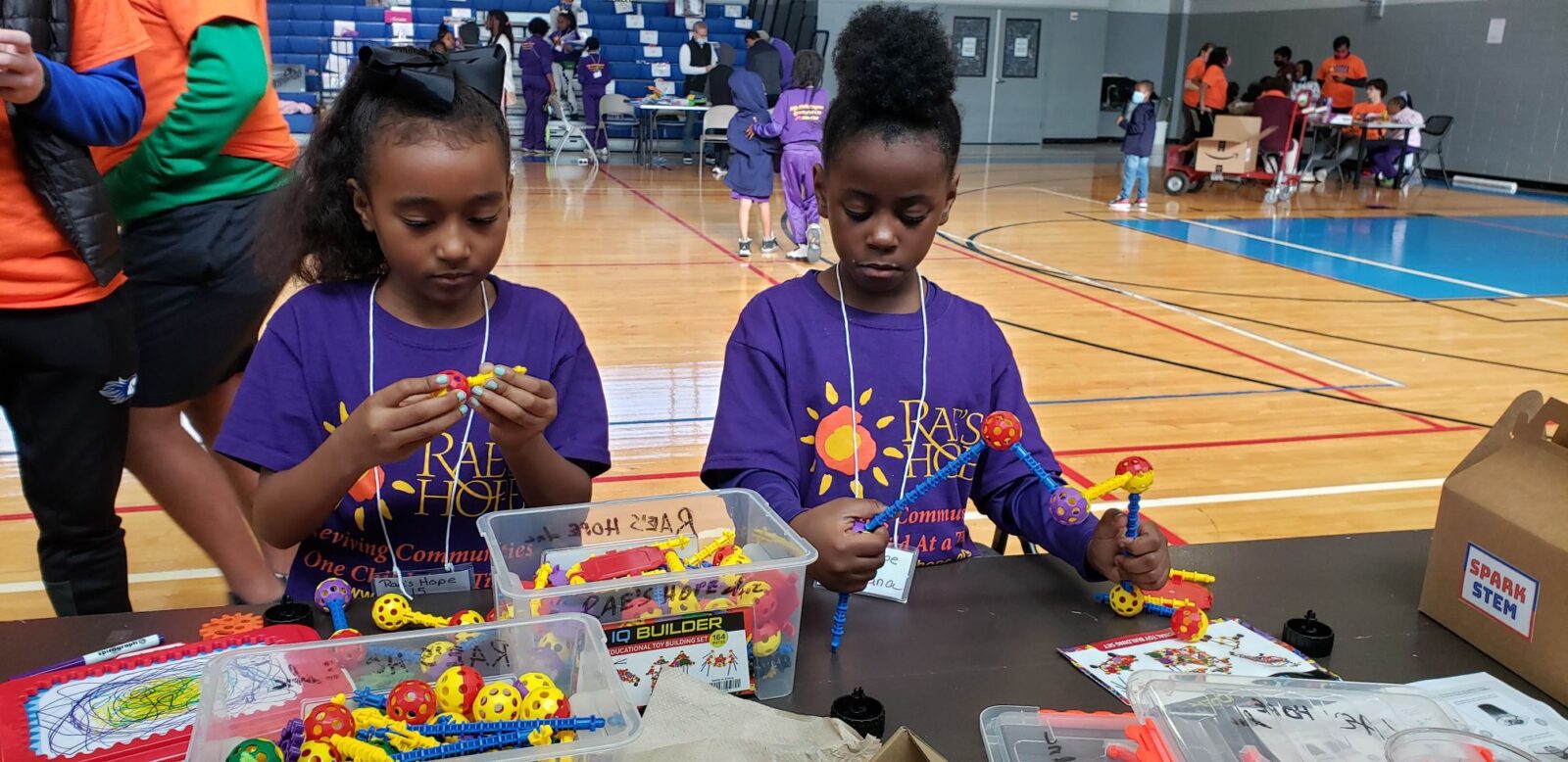
At Rae’s Hope, we believe technology is more than a tool; it is a life skill. Through hands-on learning and strong partnerships with local community nonprofits, such as GEMS CAMP, and other leaders, our Technology-Driven program equips girls ages 5–18 with the confidence, creativity, and critical thinking skills needed to thrive in a digital world.
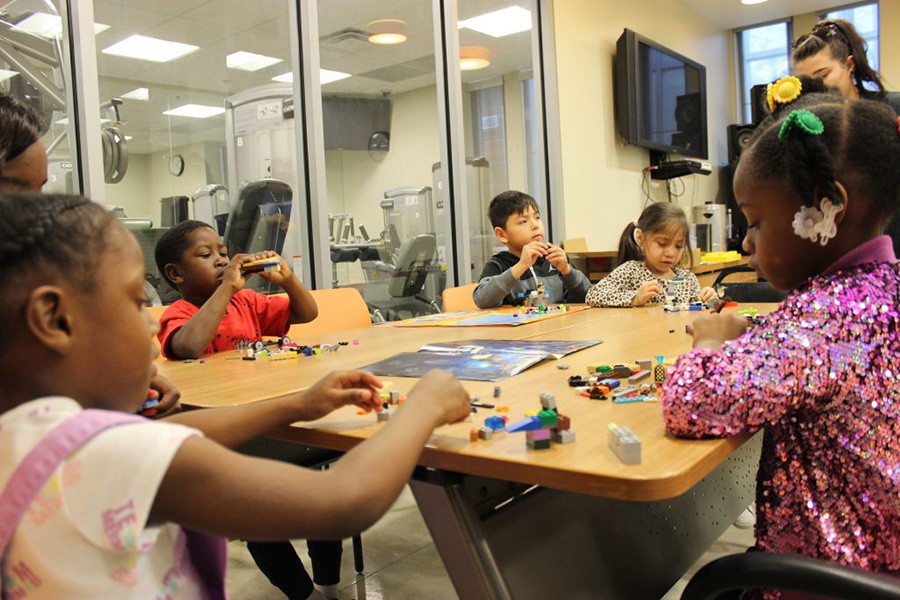
Our girls explore real-world applications of technology used by engineers, educators, IT professionals, designers, and entrepreneurs. Whether they are building a game, designing a flyer, or learning the basics of coding, each session is designed to spark curiosity and build future-ready skills.

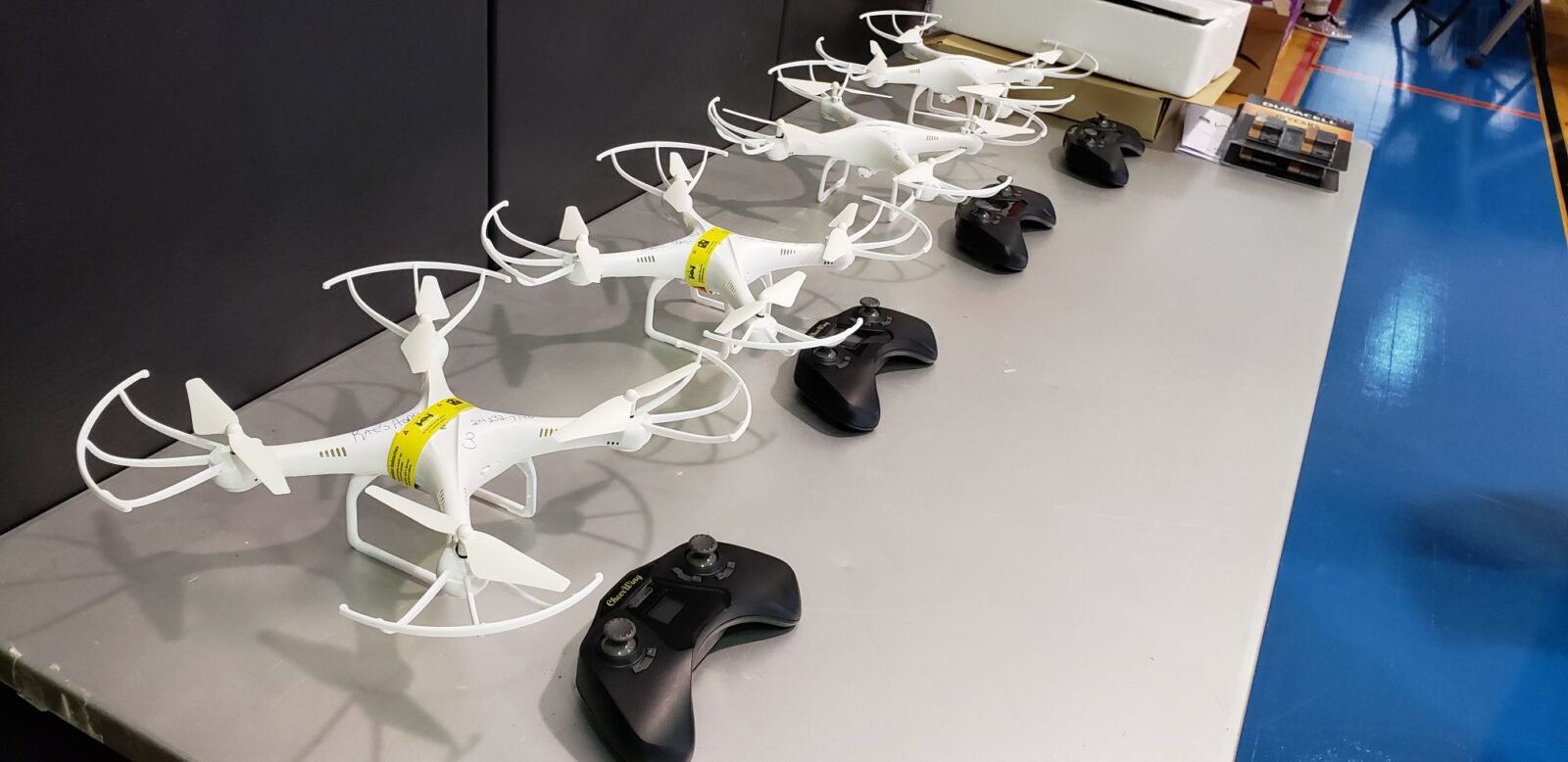
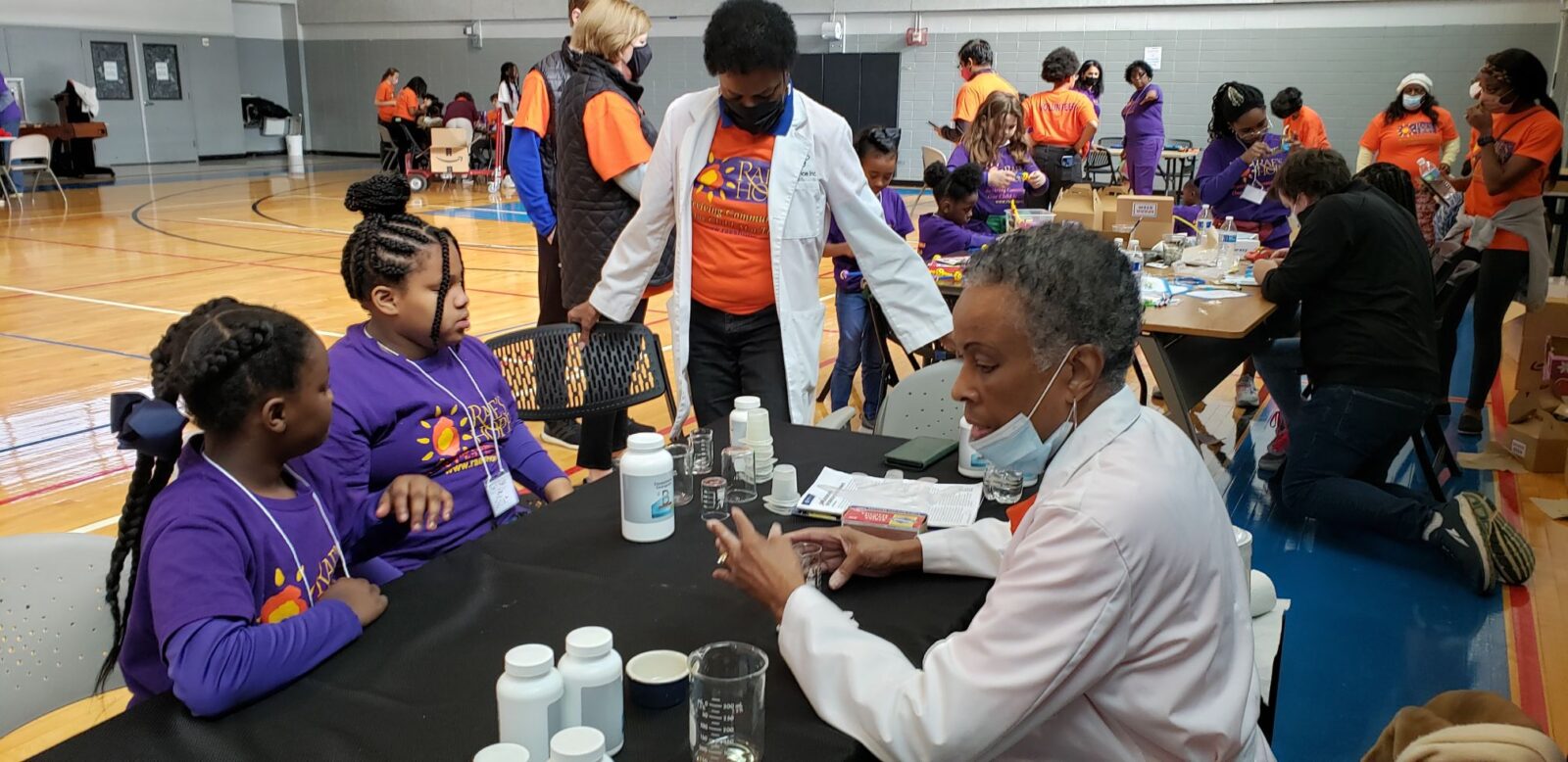
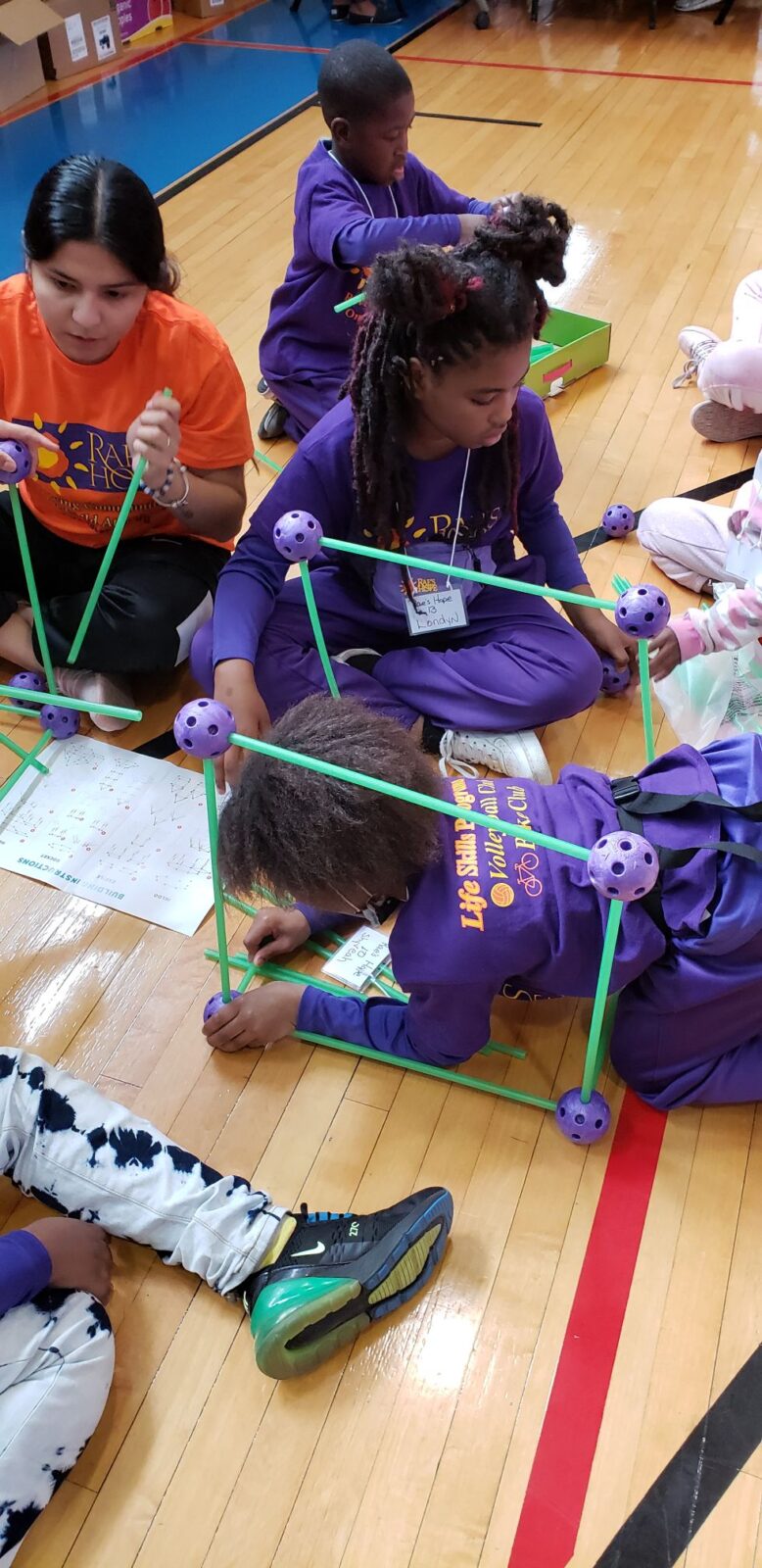
Once a year, Rae’s Hope hosts a high-energy Technology Day, a four-hour Saturday event where girls rotate through interactive stations and experience tech in action:
Technology Day helps girls see themselves as creators, problem-solvers, and future innovators, building confidence and sparking new passions.
Technology is woven into every career path and daily life. By introducing tech early, Rae’s Hope helps girls:
Whether participating in drone piloting or engaging in game coding activities, our students depart with a strong sense of accomplishment in their creations and enthusiasm for future endeavors.
Since being a part of Rae’s Hope my daughter’s confidence has spiked. Her communication skills are growing and her conversation has gotten better when she meets new people. She has shown a lot of improvement with her physical fitness and she really enjoys playing and exercising. She’s developed a lot of new relationships even with the older Rae’s Hope girls. Her attitude has stayed positive. Her focus in school I feel like has improved some. I think she has learned to tune out a lot of the distractions in the classroom and yearns to be the best.
-Parent of Aubrey Morrison
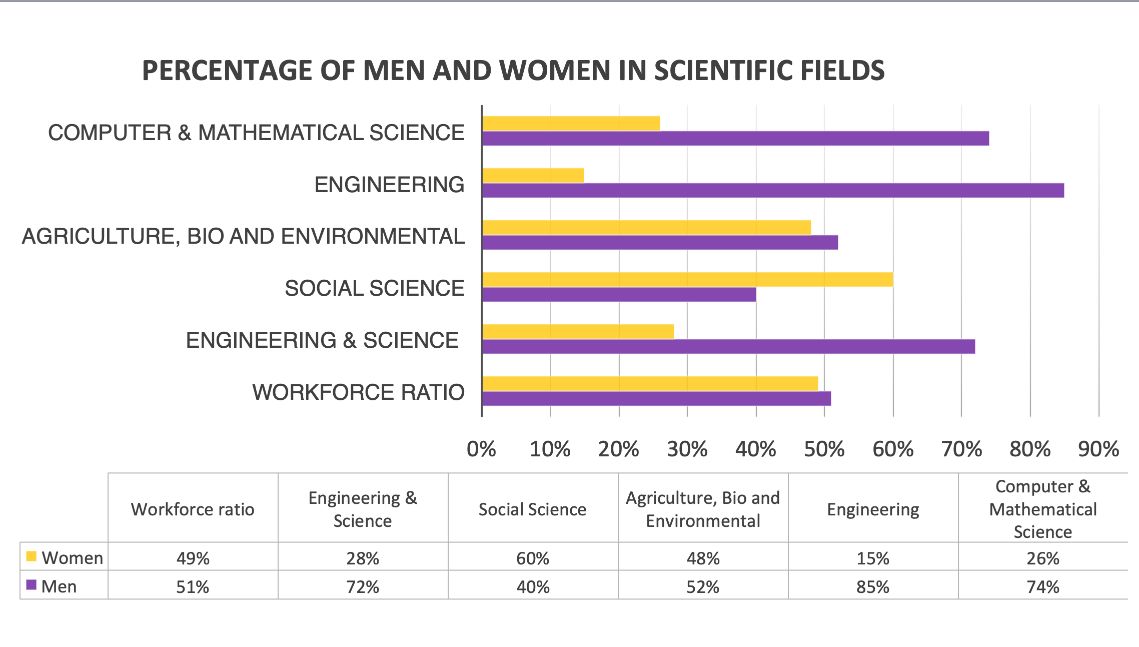
Rae’s Hope believes women, and those of color, should be properly represented in STEM careers. According to the National Assessment of Educational Progress, math test scores for girls have been consistently equal to or within two points of boys in fourth and eighth grades over several years; middle school girls pass algebra at higher rates than boys. In science, girls perform on par with boys and enroll in advanced science and math courses at equal rates as they move into high school.
However, a gender gap in participation starts to appear as girls take fewer of the more advanced STEM courses and tests as they get closer to college. This gap widens the longer girls are in school and is often compounded by issues of race and class.